
Air Purifiers vs HVAC Filters: Comprehensive Guide to Choosing the Best Solution for Indoor Air Quality Improvement
At Weather Cool Inc., we understand that indoor air quality is a growing concern, especially here in Stafford, TX. As we spend more time indoors, whether at home or work, it’s important to make informed decisions about improving the air you breathe. Our team is dedicated to guiding you through the differences between air purifiers and HVAC filters, how they function, their benefits, and which solutions best suit your needs. With allergens and pollutants on the rise in our environment, finding the right indoor air solution is critical for your health and comfort.
In this guide, we will discuss how HVAC filters and air purifiers work, their effectiveness, and important maintenance considerations. We’ll also explore the costs and long-term advantages of each, including suggestions on the best products tailored for Stafford residents.
What Are HVAC Filters and How Do They Improve Indoor Air Quality?
HVAC filters are fundamental components of your heating, ventilation, and air conditioning system. They trap airborne particles such as dust, pollen, and pet dander, significantly contributing to cleaner and healthier indoor environments. At Weather Cool Inc., we emphasize selecting filters based on the materials and efficiency ratings, which determine how well they remove contaminants from your air.
Which HVAC air filter types are most effective for allergen and particulate removal?
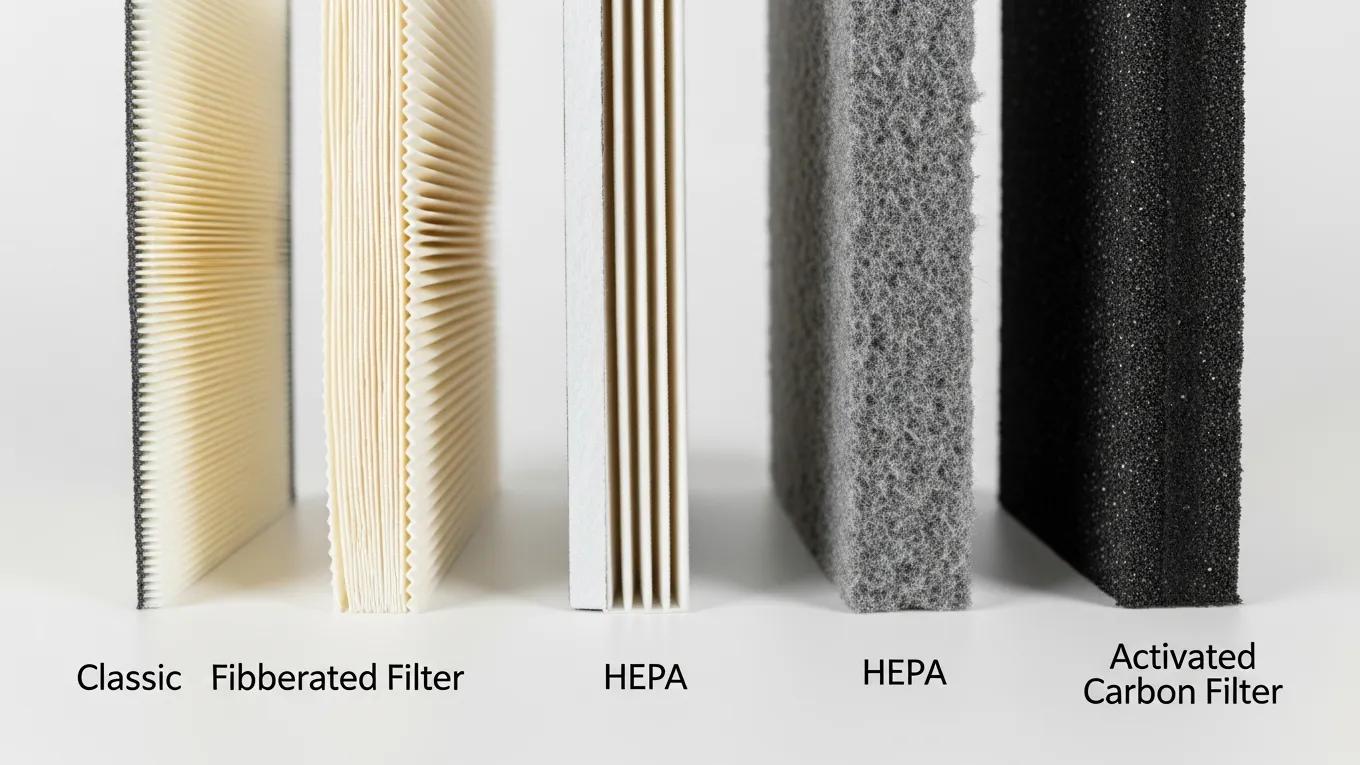
We recommend considering the following HVAC filter types based on your indoor air challenges:
- Fiberglass Filters: Usually the most economical choice, ideal for capturing larger particles but less effective against allergens common in Stafford homes.
- Pleated Filters: Provide a greater surface area to trap allergens and smaller particles than fiberglass options.
- HEPA Filters: These high-efficiency filters capture at least 99.97% of particles down to 0.3 microns, perfect for allergy sufferers.
- Activated Carbon Filters: Best for mitigating odors and volatile organic compounds (VOCs), though less focused on particulate matter.
Choosing the right filter depends on your specific air quality concerns, and our specialists at Weather Cool Inc. can help you decide what works best.
How does filter performance vary with MERV rating and air pollutant size?
The MERV (Minimum Efficiency Reporting Value) rating indicates the effectiveness of a filter. Here’s a general breakdown:
- MERV 1-4: Captures large particles but is less effective against allergens.
- MERV 5-8: Suitable for dust and mold spores; begins to filter common allergens like pollen.
- MERV 9-12: Efficient at capturing smaller particles such as pet dander, enhancing indoor air quality.
- MERV 13-16: High-efficiency filters, often used in medical facilities, effective against airborne pathogens and some bacteria and viruses.
Selecting a filter with the appropriate MERV rating for your HVAC system and local pollutants is essential. We at Weather Cool Inc. can assist you in matching the right MERV rating to your environment in Stafford, TX.
How Do Air Purifiers Work and What Are Their Key Benefits?
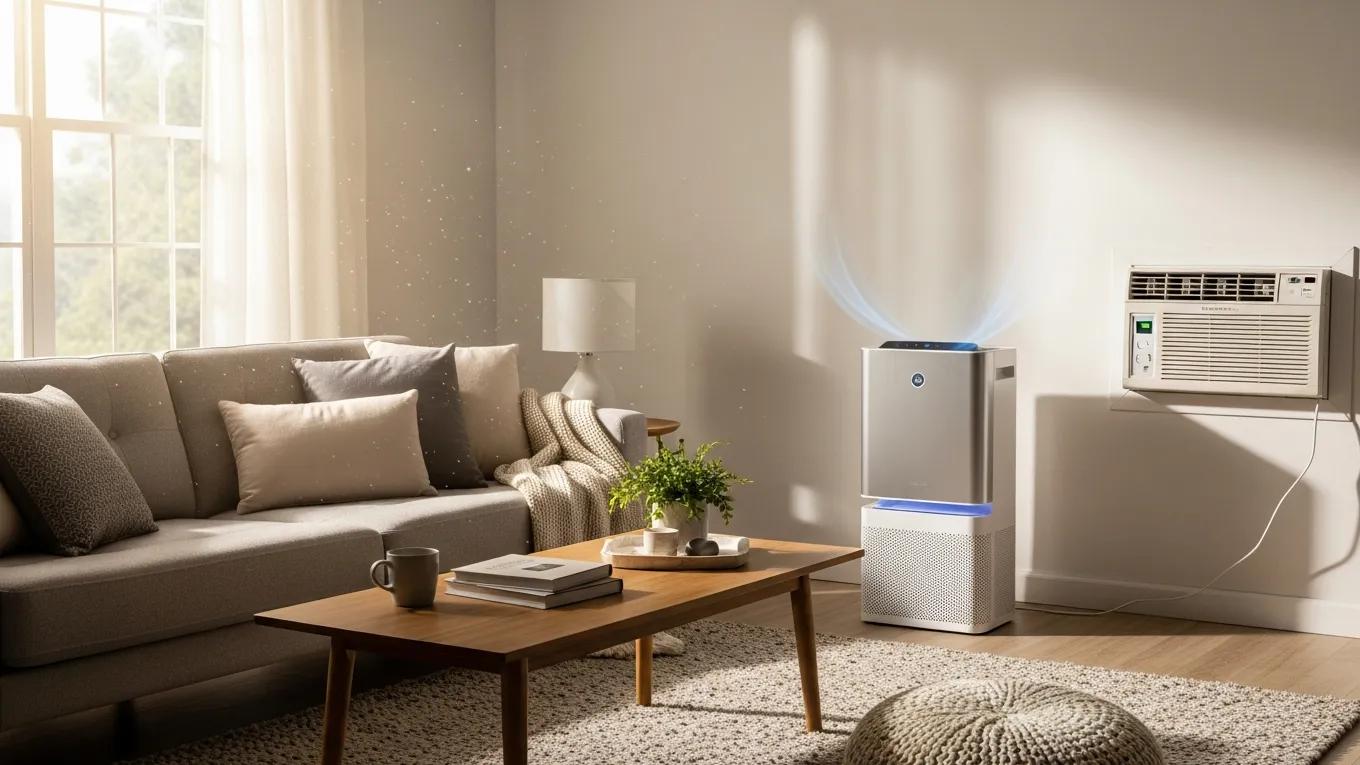
Air purifiers actively remove pollutants, allergens, and particulates through technologies such as HEPA filtration, activated carbon absorption, and ionization. Our team at Weather Cool Inc. offers air purifiers that allow you to breathe easier by significantly reducing indoor contaminants.
What are the main air purifier technologies: HEPA, activated carbon, and others?
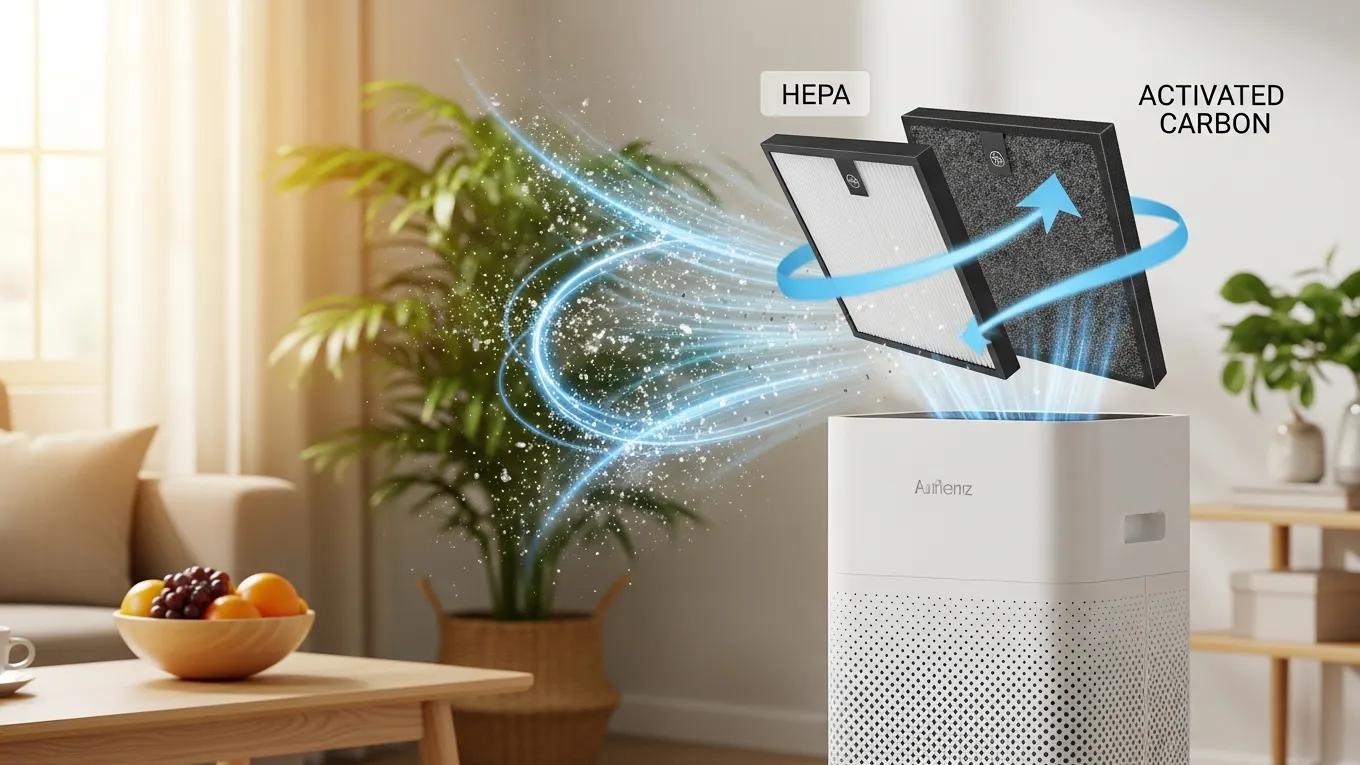
Common air purifier technologies we recommend include:
- HEPA Filters: Trap 99.97% of particles as small as 0.3 microns, ideal for allergens.
- Activated Carbon Filters: Excellent for removing odors and harmful gases.
- UV Light Filters: Use ultraviolet light to neutralize bacteria and viruses.
- Ionizers: Emit charged particles that cluster contaminants, causing them to settle out of the air.
Combining these technologies often yields the best results. Contact Weather Cool Inc. to determine the right configuration for your space in Stafford, TX.
What indoor air quality improvements and allergy relief can air purifiers provide?
Air purifiers contribute to:
- Reduced Allergens: Decreasing pollen, dust mites, and pet dander to relieve allergy symptoms.
- Improved Respiratory Health: Cleaner air supports better lung function and reduces respiratory illness risks.
- Odor Removal: Activated carbon filters eliminate cooking, pet, and smoke odors, enhancing comfort.
Effectiveness depends on room size, purifier type, and pollutant levels. Our team at Weather Cool Inc. can help select the ideal air purifier for your home or office.
HEPA Filters vs HVAC Filters: How Do Their Filtration Capabilities Compare?
While both HEPA and HVAC filters contribute to cleaner air, their strengths differ. At Weather Cool Inc., we advise that HEPA filters excel in removing fine allergens and pollutants, whereas HVAC filters protect system efficiency and filter larger particles.
Which filtration technology is superior for allergy and pollutant removal?
For allergy relief, HEPA filters generally outperform standard HVAC filters by trapping smaller particles responsible for triggering symptoms. They provide comprehensive filtration for allergens and irritants common in Stafford, TX.
Can air purifiers replace HVAC filters or do they work best in combination?
Air purifiers complement but do not replace HVAC filters. Using both together ensures broad filtration coverage—HVAC filters maintain system function while purifiers target living spaces. Weather Cool Inc. recommends combining these solutions for optimal indoor air quality.
What Are the Maintenance and Operational Considerations for HVAC Filters and Air Purifiers?
Maintaining your air filtration devices is crucial. Our experts at Weather Cool Inc. help you understand upkeep needs to ensure peak performance and air quality.
How often should HVAC filters be changed to maintain optimal indoor air quality?
Filters typically need replacement every 1 to 3 months, varying by filter type, usage, and air quality. We emphasize regular monitoring to maintain system efficiency and consistent pollutant capture.
What are the recommended maintenance practices and intervals for air purifiers?
Air purifiers usually require:
- Filter Replacement: Every 6 to 12 months, depending on model and use.
- Unit Cleaning: Dusting the exterior and cleaning pre-filters to sustain performance.
- Status Checks: Many modern units have indicators to alert for maintenance needs.
Following these practices ensures your air purifier operates at its best. Our team in Stafford, TX is available to support proper maintenance schedules.
How Do the Costs and Long-Term Benefits of Air Purifiers and HVAC Filters Compare?
We understand budgeting for air quality solutions is important. Generally, HVAC filters are cost-effective with moderate recurring replacement costs, whereas portable air purifiers involve a larger upfront investment but similar filter replacement expenses. Investing wisely in these systems yields significant health and comfort benefits for you and your family.
What is the cost-benefit analysis for using HVAC filters vs portable air purifiers?
HVAC filters are typically more affordable upfront with periodic replacement needs. Portable air purifiers range from affordable to premium price points depending on technology and features, with filter replacements aligned similarly. Weather Cool Inc. provides tailored solutions considering both initial and long-term investments for Stafford residents.
How do combined solutions enhance indoor air quality and justify expenses?
Utilizing both HVAC filters and air purifiers creates a multi-layered defense against pollutants, enhancing health and potentially reducing healthcare costs. At Weather Cool Inc., we advocate a proactive approach to indoor air quality through combined systems.
Which Air Purifier and HVAC Filter Solutions Are Best for Specific Indoor Environments and Health Needs?
Personalized assessment ensures that your indoor air quality solution meets your unique health requirements and environment.
What is the best air purifier for allergies according to recent studies and standards?
We can confidently recommend true HEPA air purifiers such as those from Austin Air or Honeywell. These models effectively trap allergens and are highly rated for allergy relief, making them perfect choices for our customers here in Stafford, TX.
Which HVAC filter types are recommended for different indoor air quality challenges?
For targeted solutions, consider:
- Allergies: High-MERV filters (13 or above), including HEPA options, ensure maximum allergen capture.
- Pollution: Activated carbon filters help reduce odors and VOCs frequently found indoors.
- Dust: Standard pleated filters manage common dust effectively.
Our Weather Cool Inc. team can assist in selecting filters that match your air quality needs in Stafford.
What Emerging Trends and Research Should Inform Your Choice Between Air Purifiers and HVAC Filters?
Advancements in filtration continue to improve indoor air quality solutions.
What do latest EPA and WHO guidelines recommend about indoor air filtration?
These organizations emphasize using high-efficiency filtration and regular maintenance to reduce particulate matter, VOCs, and biological contaminants. We at Weather Cool Inc. align our recommendations with these guidelines to protect your health.
How are innovations in filtration technology shaping airborne pollutant control?
Technologies like UV-C light for deactivating viruses and smart filters with real-time air quality monitoring are leading innovations. These features are increasingly incorporated into our offerings to provide cutting-edge protection for Stafford homes and businesses.
Improve Your Indoor Air Quality with Weather Cool Inc. Today
Ready to breathe cleaner, healthier air in Stafford, TX? Contact our expert team at Weather Cool Inc. to discover the best air purifiers and HVAC filter solutions tailored to your needs. Let us help you create a safer, more comfortable environment for your home or office.